%2Ffit-in%2F250x250%2Fguide_websites%2F13021%2Fimages%2F1753736965026logo2025.jpg&w=1200&q=100)
Mountain Whitefish Caught in Provo UT
Mountain Whitefish Fishing in Provo - What to Expect
%2F%2Fusers%2Fce7bc1a2-87a5-437b-9547-f1a9c0e3ec07%2Fimages%2Fmountain-whitefish-provo-utah-catch-2704.jpg&w=1200&q=75)
Guided Fishing Trip by Guide Trevor Nicolaides in April
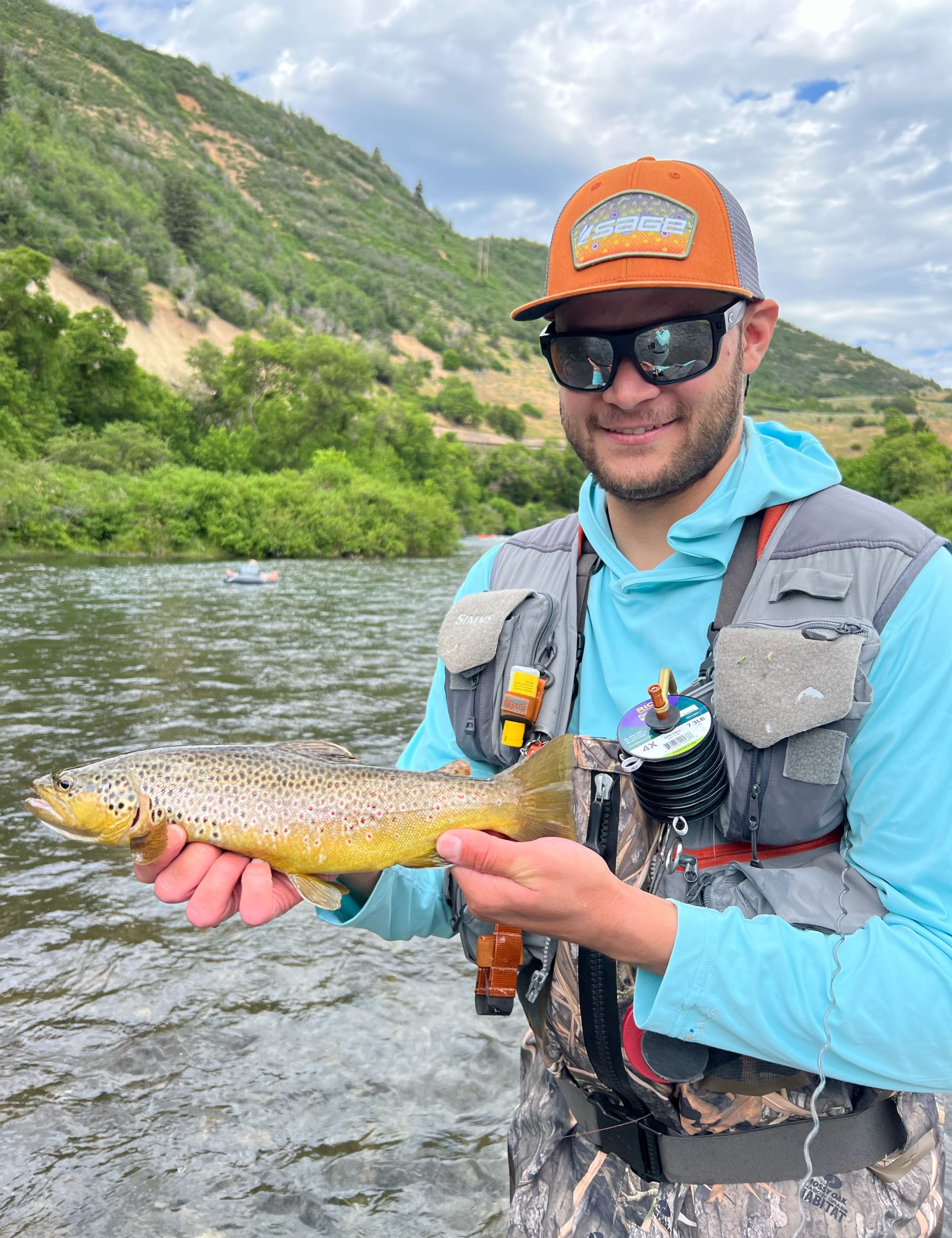
Meet your Guide Trevor Nicolaides
- Utah Fly Fishing Guides: Book Your Adventure Today


Summary
Join a guided fishing trip on Thursday, April in Provo, UT targeting mountain whitefish through expert fly fishing techniques. This action-packed experience showcases the thrill of landing these responsive fish in Utah's pristine waters alongside professional guide Trevor Nicolaides.
Fly Fishing with Trevor Nicolaides - Rates & Booking
Guide Trevor Nicolaides of Provo River Fly Fishing Guides on Thursday, April brings expert knowledge and high-energy instruction to every outing on the water. This guided fishing trip targets mountain whitefish in prime season, delivering fast-paced action and consistent opportunities to land these spirited fish. Whether you're a seasoned angler or stepping into fly fishing for the first time, Trevor's approach maximizes your chances while keeping the energy elevated throughout the day. Contact Provo River Fly Fishing Guides to secure your spot and book online today.
Highlights of This Guided Experience
Mountain whitefish respond aggressively to well-placed flies, creating dynamic hook-ups and exciting battles from start to finish. The Provo River flows with clarity and perfect conditions for sight-fishing, letting you track strikes and witness the raw power of these fish. Each cast presents a new opportunity, and Trevor's real-time coaching keeps momentum building throughout your time on the water.
The scenery around Provo amplifies the experience - mountain backdrops, flowing current, and that unmistakable rush when a whitefish takes your fly. This is fly fishing at its core: technical skill, immediate results, and the kind of adrenaline that comes from connecting with a hard-fighting fish in pristine Utah waters.
Local Species Insights: Mountain Whitefish
Mountain whitefish are aggressive feeders and explosive fighters that pack surprising power for their size. Found throughout Utah's coldwater rivers, these fish thrive in fast-moving currents and oxygenated pools - exactly what the Provo River delivers. They're visual predators that key on small flies, nymphs, and streamers, making them perfect targets for fly fishing anglers hunting consistent action.
What makes whitefish so thrilling is their responsiveness and speed. They strike hard and fight with determination, often jumping and shaking violently once hooked. Their abundance in the Provo River means multiple hookups per session - you won't spend time waiting between strikes. The technical challenge lies in reading water, matching hatches, and presenting flies with precision, but the payoff is constant engagement and heart-pounding excitement. Whitefish also feed year-round in different conditions, making the Provo a reliable destination for reliable, productive fly fishing.
The Provo River environment is ideally suited for whitefish habitat. Cold, clean water flows through scenic terrain with varied depths and current speeds. Deep pools hold concentrations of fish, while pocket water and runs provide additional opportunities. Trevor's local expertise pinpoints these high-percentage zones, putting you in position to make quick, effective presentations that trigger strikes.
Plan Your Fly Fishing Day
Your guided trip on the Provo River combines instruction, coaching, and hands-on fly fishing action. Trevor customizes the experience based on conditions and your skill level, ensuring you're casting effectively and connecting with fish from the opening moments. Expect multiple opportunities to land whitefish, receive real-time feedback on technique, and walk away with confidence in your fly fishing abilities. The pace is energetic - minimal downtime, maximum casting, and non-stop opportunity to build skills while experiencing the thrill of consistent hookups.
Fishing in Utah: Mountain Whitefish
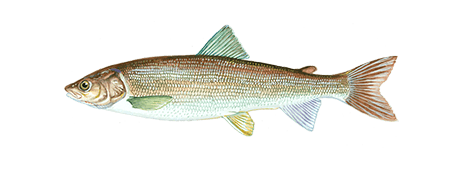
Mountain Whitefish Overview
The Mountain Whitefish (Prosopium williamsoni) is a fascinating cold-water game fish belonging to the Salmonidae family within the Salmoniformes order. These adaptable freshwater fish are predominantly found in streams, lakes, and reservoirs throughout northwestern North America, where they thrive alongside trout in clear, frigid waters. What makes the Mountain Whitefish particularly interesting is their bronze-white or greenish-white coloration, distinctive needle-like snouts, and narrow rounded mouths perfectly designed for feeding on bottom-dwelling prey. Often called a "trash fish" by trout purists who accidentally catch them, the Mountain Whitefish has gained respect among anglers in places like the Madison River, where populations can reach an astounding 15,000 fish per mile. These resilient fish live surprisingly long lives, with some individuals reaching up to 18 years of age, making them a stable and rewarding target for outdoor enthusiasts.
Mountain Whitefish Habitat and Distribution
Mountain Whitefish are found across a vast range stretching from the McKenzie River in Canada's Northwest Territories down to the Green River basin in Utah. They're also abundant in the drainages of Pacific coastal rivers in British Columbia and western Washington State, making them accessible to anglers throughout the Pacific Northwest and Mountain West regions. These highly adaptable fish maintain large, stable populations in streams and have shown a strong preference for hydroelectric reservoirs, where they gather in impressive numbers. Unlike many migratory fish species, Mountain Whitefish typically don't undertake long migrations; instead, they may simply move to different sections of a river system or tributary streams for spawning purposes. They demonstrate a strong preference for colder streams with water temperatures ranging from 35 to 44 degrees Fahrenheit, which is why they thrive in mountain environments and deep reservoirs where temperatures remain consistently cool year-round.
Mountain Whitefish Size and Weight
Mountain Whitefish are relatively modest-sized game fish compared to their trout cousins. Typically, these fish grow to between 10 and 16 inches in length, with most specimens weighing between 3 to 5 pounds. However, exceptional individuals can reach up to 28 inches in length, and the all-tackle world record Mountain Whitefish, caught from the Columbia River in 1983, weighed an impressive 5 pounds and 2 ounces. The fish rarely exceed 20 inches in normal conditions, but in productive reservoir systems with abundant food sources, larger specimens do occasionally emerge. Their smaller overall size compared to larger trout species makes them ideal targets for anglers using lighter tackle and more delicate presentations, and their abundance means that even beginners can experience consistent success on the water.
Mountain Whitefish Diet and Behavior
Mountain Whitefish are carnivorous bottom feeders with a diet heavily focused on aquatic invertebrates and zooplankton, which they efficiently slurp from the streambed using their specialized mouth structure. Their feeding behavior peaks during winter months, when they become particularly aggressive despite the cold water conditions. Beyond their primary diet of bottom-dwelling aquatic insects, these opportunistic feeders also consume terrestrial insects that fall into the water, smaller fish, and fish eggs—making them particularly active during trout spawning seasons when eggs become available. Their small mouths and specialized feeding apparatus reflect their evolutionary adaptation to a benthic lifestyle, allowing them to thrive in the same cold-water environments as trout while occupying a slightly different ecological niche. This dietary flexibility and year-round feeding activity, even in harsh winter conditions, explains their ability to maintain such robust populations in challenging mountain environments.
Mountain Whitefish Spawning and Seasonal Activity
Mountain Whitefish enter their spawning phase during late October through November, when they assemble into massive aggregations that can literally engulf entire streambed sections in certain locations. These spawning congregations create spectacular viewing opportunities for observers and excellent fishing situations for anglers who know where to find them. During the spawning process, females distribute their eggs across the gravel substrate where they're fertilized by males in the traditional broadcast spawning method used by most salmonids. Interestingly, this spawning activity creates a significant ecological benefit for trout populations, as the Mountain Whitefish eggs that aren't fertilized or are left exposed serve as a valuable protein source for hungry trout during the lean winter months. The eggs deposited in late fall typically hatch during the early to mid-March period, after the coldest winter months have passed and water conditions begin to moderate. Understanding these seasonal patterns is crucial for anglers seeking to target Mountain Whitefish, as their behavior, location, and feeding intensity shift dramatically throughout the year.
Mountain Whitefish Techniques for Observation or Capture
Mountain Whitefish are known for their aggressive feeding behavior and willingness to bite, making them an excellent target for anglers of all skill levels. Most trout anglers already possess the necessary tackle for Mountain Whitefish fishing, as these fish respond well to the same tools and techniques. Since Mountain Whitefish have small mouths, using smaller hooks, flies, and lures is essential—they'll readily nip at salmon eggs, worms, and maggots presented near the streambed. A proven technique involves bobbing a maggot or salmon egg along the bottom with split shot or pencil lead for weight, allowing the bait to drift naturally with the current. Alternatively, suspending bait beneath a float and letting it drift near the bottom creates an effective presentation that triggers feeding responses. For fly fishers, weighted caddis, midge, and stonefly nymphs fished in slow to moderate currents produce excellent results; adding split shot helps the flies reach the bottom quickly where Mountain Whitefish typically feed. In smaller streams and around popular fishing destinations in Colorado and Montana, using fly patterns in sizes 14 to 16 works exceptionally well, while larger river systems require proportionally larger nymphs.
Localized Technique Tip: Around the Madison River in Montana, one of the most productive areas for Mountain Whitefish, anglers find success by focusing on deep pools and slower current breaks during the early morning hours when the fish are most actively feeding. The consistent high density of Mountain Whitefish in this river means that dedicated nymphing sessions often result in multiple hookups, providing anglers with excellent practice and exciting action regardless of whether they land the occasional trophy trout.
Mountain Whitefish Culinary and Utilization Notes
Despite being maligned by some trout purists, Mountain Whitefish possess firm, white flesh that offers genuine culinary value. These fish can be prepared through cooking, smoking, or pickling, with each method producing satisfying results. The meat has a mild flavor and pleasant texture that appeals to those seeking an alternative to trout or seeking to utilize their catch more completely. Nutritionally, Mountain Whitefish provide excellent protein content and healthy omega-3 fatty acids, making them a nutritious food source. For anglers in remote mountain regions or those practicing catch-and-keep fishing traditions, Mountain Whitefish represent a sustainable and delicious option that fully utilizes the resource. Many regional restaurants and lodge kitchens have begun featuring Mountain Whitefish preparations on their menus, recognizing both their availability and culinary merit. Smoking Mountain Whitefish has become particularly popular in the Pacific Northwest, where the tradition of smoking cold-water fish is well-established and celebrated.
Mountain Whitefish Frequently Asked Questions
Q: What is the best bait or technique for catching Mountain Whitefish?
A: Mountain Whitefish respond exceptionally well to small baits and flies presented near the streambed. Salmon eggs, maggots, and small worms work excellent for bait fishing, while weighted caddis and midge nymphs are highly effective for fly fishing. The key is using appropriately sized gear—small hooks and delicate presentations work best because of their small mouths. Nymphing techniques that work for trout also produce results with Mountain Whitefish, so if you have trout fishing experience, you're already equipped with the right skillset.
Q: Where can I find Mountain Whitefish in the Pacific Northwest?
A: Mountain Whitefish are widely distributed throughout the Pacific Northwest, with particularly impressive populations in the Madison River of Montana, the Columbia River system, and various rivers and reservoirs in Washington State and British Columbia. The Green River in Utah and McKenzie River in Oregon also hold strong populations. Generally, look for cold, clear streams and deeper sections of reservoirs where water temperatures stay between 35 and 44 degrees Fahrenheit—these conditions are ideal for finding active Mountain Whitefish.
Q: Is Mountain Whitefish good to eat?
A: Absolutely! Mountain Whitefish possess firm, white flesh with a mild flavor that many anglers find delicious. The fish can be baked, pan-fried, smoked, or pickled with excellent results. They're particularly well-suited to smoking, a preparation method that has become popular in Pacific Northwest culinary traditions. While sometimes dismissed as "trash fish" by trout purists, Mountain Whitefish represent a legitimate and sustainable food source with good nutritional value including protein and omega-3 fatty acids.
Q: When is the best time to catch Mountain Whitefish?
A: Mountain Whitefish feed actively year-round, but winter represents their peak feeding season, making late fall through early spring an excellent time for targeting them. Late October through November provides access to spawning aggregations when fish are concentrated and particularly aggressive. However, because Mountain Whitefish maintain active feeding throughout the year, any season can produce good results—you don't need to wait for ideal conditions to enjoy productive Mountain Whitefish fishing.
Q: How long can Mountain Whitefish live?
A: Mountain Whitefish can live surprisingly long lives for their size, with individual fish reaching up to 18 years of age. This longevity allows populations to remain stable and resilient even with regular fishing pressure, making Mountain Whitefish a sustainable fishery in most regions where they're found.
Q: What makes Mountain Whitefish different from trout?
A: While Mountain Whitefish and trout share the same family (Salmonidae) and often co-inhabit the same cold-water streams, they occupy slightly different ecological niches. Mountain Whitefish have smaller mouths and specialized feeding apparatus that make them more efficient bottom feeders, focusing on aquatic insects and zooplankton rather than surface-feeding or larger prey. They also spawn later in the year than most trout species and have different spawning behaviors. Additionally, Mountain Whitefish can achieve much higher population densities than trout in the same water bodies, which is why they're so abundant in productive rivers.