%2Ffit-in%2F250x250%2Fguide_websites%2F13021%2Fimages%2F1753736965026logo2025.jpg&w=1200&q=100)
/users/ce7bc1a2-87a5-437b-9547-f1a9c0e3ec07/ratecard/fly.png)
%2F300x300%2Fusers%2Fce7bc1a2-87a5-437b-9547-f1a9c0e3ec07%2Fratecard%2Ffly.png&w=256&q=75)
%2F300x300%2Fusers%2Fce7bc1a2-87a5-437b-9547-f1a9c0e3ec07%2Fpagedata%2F657659153_17998291061910041_6370462855319396474_n-mnraqgzb.jpg&w=256&q=75)
%2F300x300%2Fusers%2Fce7bc1a2-87a5-437b-9547-f1a9c0e3ec07%2Fpagedata%2F657722964_17998633163910041_4760206225210371784_n-mnrathpt.jpg&w=256&q=75)
%2F300x300%2Fusers%2Fce7bc1a2-87a5-437b-9547-f1a9c0e3ec07%2Fpagedata%2F658043647_17998538870910041_7440171324788271326_n-mnral2ee.jpg&w=256&q=75)
%2F300x300%2Fusers%2Fce7bc1a2-87a5-437b-9547-f1a9c0e3ec07%2Fpagedata%2F658309930_17998538861910041_2357652131263183916_n-mnrakme2.jpg&w=256&q=75)
Provo River Corporate Fly Fishing Adventures
 Utah
UtahWhat you will be catching:
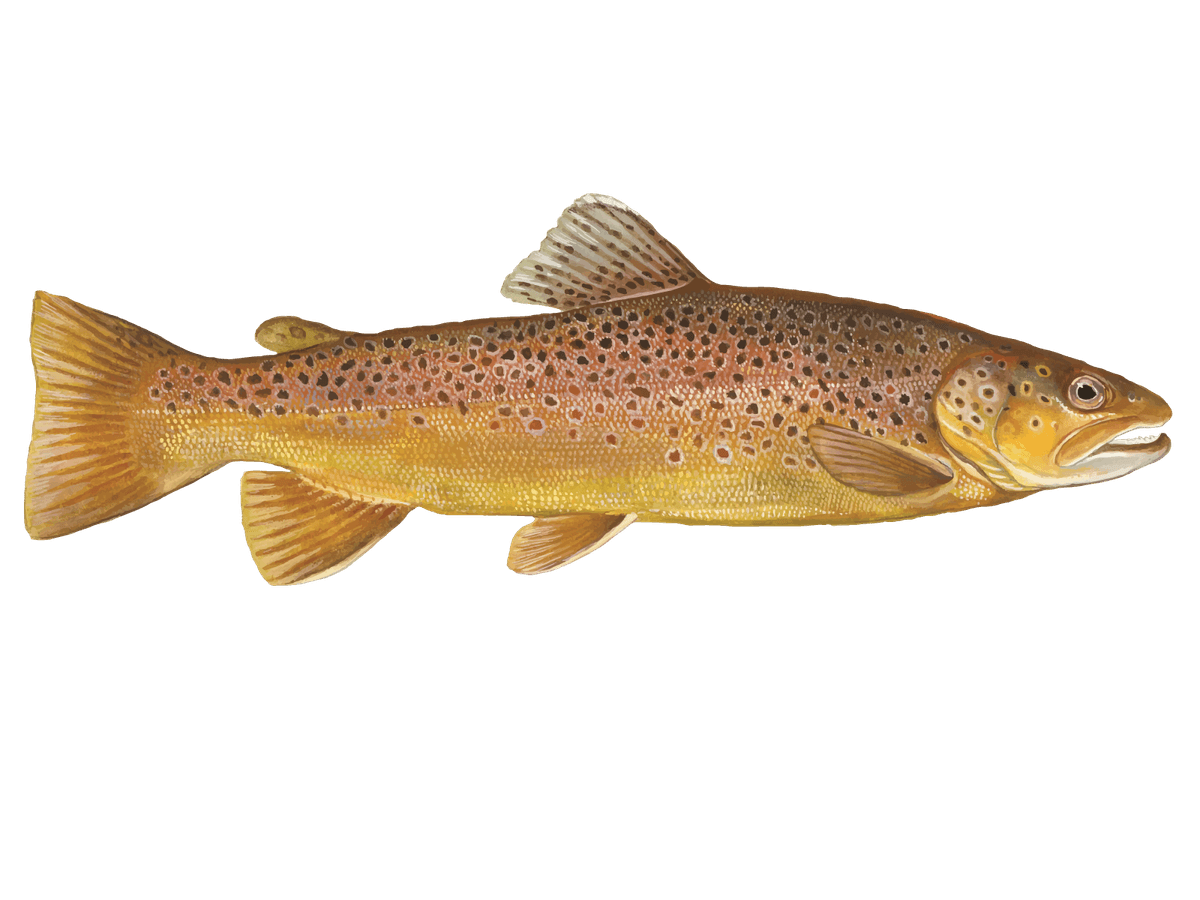
 Brown Trout
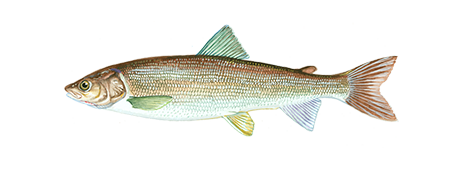 Mountain Whitefish
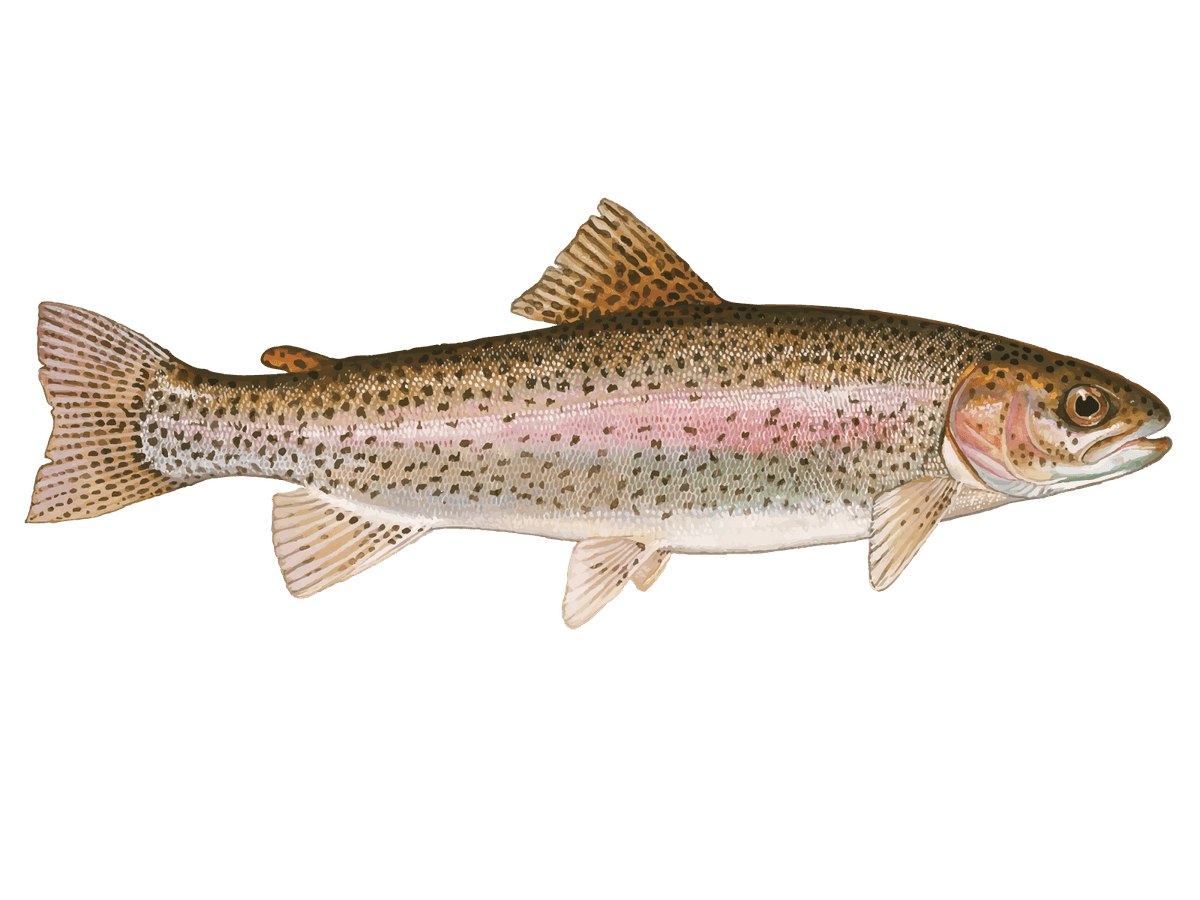
 Rainbow Trout
- Our corporate fly fishing trips on the Provo River are built for teams of 15 or more looking to get away from the office and try something different together. We'll take your group to the best sections of the Middle, Upper, and Lower Provo where you can cast for wild trout in some of Utah's most productive water. Whether you're complete beginners or have some fishing experience, our guides will work with everyone at a comfortable pace. The river setting is naturally relaxing, making it easy for colleagues to connect while learning proper fly casting techniques and reading the water. All equipment is included, and we customize each trip to fit what your group wants to accomplish.
Trip Pricing and Availabilities:
Corporate Fly Fishing on the Provo River
Looking to get your team out of the office and into something memorable? Our corporate fly fishing trips on Utah's legendary Provo River hit that sweet spot between professional team building and genuine outdoor fun. We're talking about guided trips along the Middle, Upper, and Lower Provo – some of the most productive trout water in the Intermountain West. Whether you're entertaining clients, rewarding your crew, or just want to shake things up with a different kind of company outing, these trips deliver. We handle groups of 15 or more, and trust me, there's something special about watching colleagues who've never held a fly rod suddenly get that spark when a wild trout takes their fly.
What to Expect on the Water
The Provo River isn't your typical corporate retreat venue, and that's exactly why it works so well. We're dealing with three distinct sections of river here, each with its own personality. The Middle Provo flows through some gorgeous canyon country with plenty of room to spread out your group, while the Upper section offers that classic mountain stream feel with crystal-clear water and eager fish. The Lower Provo runs through more open terrain, perfect for beginners who need space to practice their casting without worrying about overhanging branches. Our guides know these waters like the back of their hands – every pool, every riffle, every spot where the big browns like to hide. We keep the pace comfortable because this isn't about creating pressure; it's about creating connections. Some folks will pick up fly fishing naturally, others might need more hands-on coaching, and that's totally fine. The beauty of corporate trips is watching people support each other in a completely different environment than the usual workplace dynamic.
Gear Setup & River Tactics
Everything's provided, so your team can show up ready to fish without worrying about equipment. We're talking quality rods, reels, waders, and flies – the same gear our regular clients use. The Provo responds well to classic nymph rigs, especially during the cooler parts of the day when trout are feeding subsurface. We'll set most folks up with indicator nymphing to start – it's productive and builds confidence quickly. As the day warms up, we might switch some of the more adventurous anglers to dry flies, particularly if we're seeing any surface activity. The river's got great structure with undercut banks, fallen timber, and deep pools that hold fish year-round. Our guides will position your group strategically so everyone gets quality water to work with. We rotate spots throughout the day, giving different team members chances to fish the prime lies. The technique focus stays simple but effective – proper drift, mending, and reading the water. No need to complicate things with advanced presentations when the fundamentals will put fish in the net.
Top Catches This Season
Brown trout are the stars of the Provo River system, and for good reason. These fish have attitude and brains, making them a favorite target for fly anglers. Browns here typically run 12 to 18 inches, with plenty of fish pushing into the 20-inch range if you know where to look. They're most active during the fall spawn season, but we catch quality browns throughout the year. What makes them exciting is their wariness – they've seen plenty of flies, so when you fool a good brown, you've really accomplished something. They fight hard, use the current to their advantage, and have this habit of making long, powerful runs that get everyone's attention. Spring and fall are prime time for browns, but even during summer they'll come up for the right dry fly presentation during evening hatches.
Rainbow trout bring a different energy to the Provo experience. These fish are typically more willing to eat than their brown trout cousins, making them perfect for corporate groups where you want consistent action. Rainbows here average 10 to 16 inches, with their classic silver sides and that pink stripe that gives them their name. They're acrobatic fighters, often jumping multiple times when hooked, which always gets people excited. The best rainbow fishing happens during spring runoff and again in early fall when they're actively feeding to prepare for winter. They respond well to both nymphs and dry flies, and they're forgiving enough that beginners can successfully catch them while still providing enough challenge to keep experienced anglers engaged.
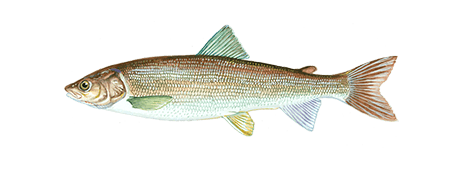
Mountain whitefish might not be the prettiest fish in the river, but they're an important part of the Provo ecosystem and surprisingly fun to catch. These native fish look almost prehistoric with their small mouths and silvery scales, typically running 8 to 14 inches. They're bottom feeders by nature, so they hit nymphs aggressively, especially during winter months when trout fishing slows down. What's cool about whitefish is that they school up, so when you find one, there are usually more in the area. They fight differently than trout – more of a steady, bulldogging battle than the flashy runs of rainbows or browns. For corporate groups, they add variety to the day and give everyone a chance to experience different species that call the Provo home.
Time to Book Your Spot
Corporate fly fishing trips book up fast, especially during peak season from May through October. The Provo River offers something you can't get in a conference room – shared challenges, natural beauty, and stories your team will talk about for years. We customize every trip to match your group's experience level and goals, whether that's pure relaxation or friendly competition. Keep in mind that deposits are non-refundable, so once you commit, you're locked in – but honestly, that's rarely an issue because groups love these trips. The combination of professional guiding, world-class trout fishing, and Utah's stunning scenery creates exactly the kind of experience that builds stronger teams. Ready to get your people out of their usual element and into something genuinely rewarding? Let's make it happen on the Provo.
Learn more about the species
Brown Trout
Brown trout are the smartest fish in the Provo River, averaging 12-18 inches with some reaching over 20. These golden-brown beauties with black spots love deep pools, undercut banks, and shaded areas during the day. They're most active early morning and evening, especially in fall when they feed aggressively. What makes them special? They fight hard and taste great, but they're also the most challenging to fool. They spook easily and inspect flies closely. Here's a local trick: on bright days, focus on the deepest, darkest pools you can find. Use smaller flies than you think - size 18-20 nymphs often outfish the big flashy stuff. These fish have been fooled before, so finesse beats force every time.
Mountain Whitefish
Mountain whitefish might not win beauty contests, but they're scrappy fighters that keep rods bent when trout get picky. These silver-bronze fish average 10-14 inches and have small mouths perfect for slurping bugs off the bottom. They love cold, clear water and hang in deeper pools and slower runs. Winter is actually their peak feeding time, making them great targets when other species slow down. Clients enjoy them because they bite aggressively and provide steady action. They're also surprisingly good eating - mild and flaky when smoked. Pro tip: downsize everything. Use size 16-18 flies and light tippet. They'll inhale small nymphs like midges and caddis larvae. Fish them deep and slow near the bottom.
Rainbow Trout
Rainbow trout are the most cooperative fish on the Provo, typically running 10-16 inches with that classic pink stripe down their sides. They love faster water - riffles, runs, and pocket water where the current brings food. Spring through fall are prime, but they bite year-round in our tailwater sections. Guests love them because they're willing to eat, jump when hooked, and provide steady action for groups. They'll take everything from dry flies to nymphs to small spinners. My go-to tip for rainbows here: watch for feeding lanes in the faster water. They'll hold in the slower edges of current seams, darting out to grab food. A well-drifted nymph through these spots is money.