%2Ffit-in%2F250x250%2Fguide_websites%2F13021%2Fimages%2F1753736965026logo2025.jpg&w=1200&q=100)
/users/ce7bc1a2-87a5-437b-9547-f1a9c0e3ec07/ratecard/bow.png)
%2F300x300%2Fusers%2Fce7bc1a2-87a5-437b-9547-f1a9c0e3ec07%2Fratecard%2Fbow.png&w=256&q=75)
%2Ffilters%3Aformat(webp)%2F300x300%2F1220a672-50f3-4aa4-b3d9-539e5a74002e%2Freport%2Fsocial%2Fimages%2Freport%2Fprovo-ut-fly-fishing-partly-3625.png&w=256&q=75)
%2Ffilters%3Aformat(webp)%2F300x300%2F1220a672-50f3-4aa4-b3d9-539e5a74002e%2Freport%2Fsocial%2Fimages%2Freport%2Fprovo-sea-trout-fly-fishing-8694.png&w=256&q=75)
%2Ffilters%3Aformat(webp)%2F300x300%2F1220a672-50f3-4aa4-b3d9-539e5a74002e%2Freport%2Fsocial%2Fimages%2Freport%2Fprovo-fly-fishing-sea-trout-8366.png&w=256&q=75)
%2Ffilters%3Aformat(webp)%2F300x300%2F1220a672-50f3-4aa4-b3d9-539e5a74002e%2Freport%2Fsocial%2Fimages%2Freport%2Fprovo-fly-fishing-partly-cloudy-9902.png&w=256&q=75)
%2Ffilters%3Aformat(webp)%2F300x300%2F1220a672-50f3-4aa4-b3d9-539e5a74002e%2Freport%2Fsocial%2Fimages%2Freport%2Fprovo-fly-fishing-partly-cloudy-6999.png&w=256&q=75)
%2Ffilters%3Aformat(webp)%2F300x300%2F1220a672-50f3-4aa4-b3d9-539e5a74002e%2Freport%2Fsocial%2Fimages%2Freport%2Fprovo-fly-fishing-partly-cloudy-3673.png&w=256&q=75)
%2Ffilters%3Aformat(webp)%2F300x300%2F1220a672-50f3-4aa4-b3d9-539e5a74002e%2Freport%2Fsocial%2Fimages%2Freport%2Fprovo-fly-fishing-partly-cloudy-3382.png&w=256&q=75)
%2Ffilters%3Aformat(webp)%2F300x300%2F1220a672-50f3-4aa4-b3d9-539e5a74002e%2Freport%2Fsocial%2Fimages%2Freport%2Fprovo-fly-fishing-partly-cloudy-11764.png&w=256&q=75)
Expert-Guided Provo River Fly Fishing Trip

 Utah
UtahWhat you will be catching:
 Brown Trout
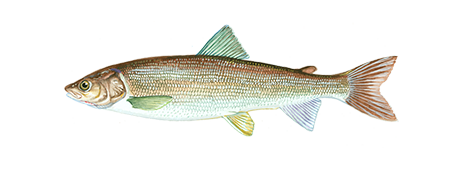 Mountain Whitefish
 Rainbow Trout
- 8-hour guided wade fishing on Provo River for two guests
- All gear provided with hands-on instruction for all skill levels
- Wild trout fishing in scenic Utah mountain setting, deposits non-refundable
Trip Pricing and Availabilities:
Provo River Fly Fishing | 8 Hour Wade Fishing Trip
Picture yourself stepping into the crystal-clear waters of Utah's Provo River at dawn, fly rod in hand, with eight full hours ahead to chase wild trout through some of the most productive water in the state. This isn't your typical hurried fishing trip – we're talking about a full day where you can really settle into the rhythm of the river and let your casting skills develop naturally. Whether you're a first-timer trying to figure out which end of the fly rod to hold or a seasoned angler looking to dial in your technique on new water, our guides know exactly how to make your day count. The Provo River system offers that perfect mix of accessible wading and challenging fish that keeps anglers coming back season after season. With all gear provided and expert instruction throughout the day, you'll focus on what matters most – reading the water, perfecting your presentation, and landing some beautiful Utah trout.
What to Expect on the Water
When you book this eight-hour wade fishing adventure, you're signing up for the real deal – no rushing, no cramped schedules, just pure time on the water with a guide who knows every bend, riffle, and deep pool on this river system. We start early to beat the crowds and give you first crack at the prime holding spots where browns and rainbows like to stack up. The beauty of wade fishing the Provo is that you get to feel every aspect of the river – the current pushing against your legs, the subtle takes that transmit through your rod, and that satisfying resistance when a wild trout decides your fly looks like breakfast. Your guide will position you in the most productive runs and coach you through each cast, helping you read the water like a local. The pace stays relaxed but focused, with plenty of time to work through different techniques and really understand why certain presentations work better in specific water types. Between the stunning mountain backdrop and consistent fish activity, this trip delivers that perfect combination of learning and pure enjoyment that makes a full day fly by.
Techniques & Gear Breakdown
We come prepared with everything you need for a successful day – quality rods, reels, lines, and a full selection of proven flies that work consistently on Provo River trout. Your guide will set you up with both dry fly and nymphing rigs depending on conditions and fish behavior, switching things up throughout the day to keep the action hot. The wade fishing approach means we're constantly moving and adapting, reading the water to find where fish are actively feeding rather than staying locked in one spot. You'll learn how to approach different water types – from shallow riffles where trout sip emergers to deeper pools where a well-drifted nymph can trigger aggressive strikes. The key to success here is presentation and patience, and your guide will walk you through proper line management, mending techniques, and how to achieve that perfect dead drift that drives trout crazy. We fish with barbless hooks and practice catch-and-release to keep this fishery healthy and productive. The wading is generally easy to moderate, but your guide knows the safest routes and will keep you positioned for success while staying comfortable in the current.
Customer Stories
"Trevor was amazing! We were on fish with dry and nymph rigs! Was a great experience!" - Justin. "Trevor was awesome, entirely on point the whole day. He put us right on the fish including a couple 22 in. Browns. Would highly recommend him for anyone wanting to fish the Provo River. Will definitely book again!" - John. "Trevor was great and worked hard to get us on some fish. Tough day on the river due to incredible pressure and we still were able to catch some fish." - Allan.
Species You'll Want to Hook
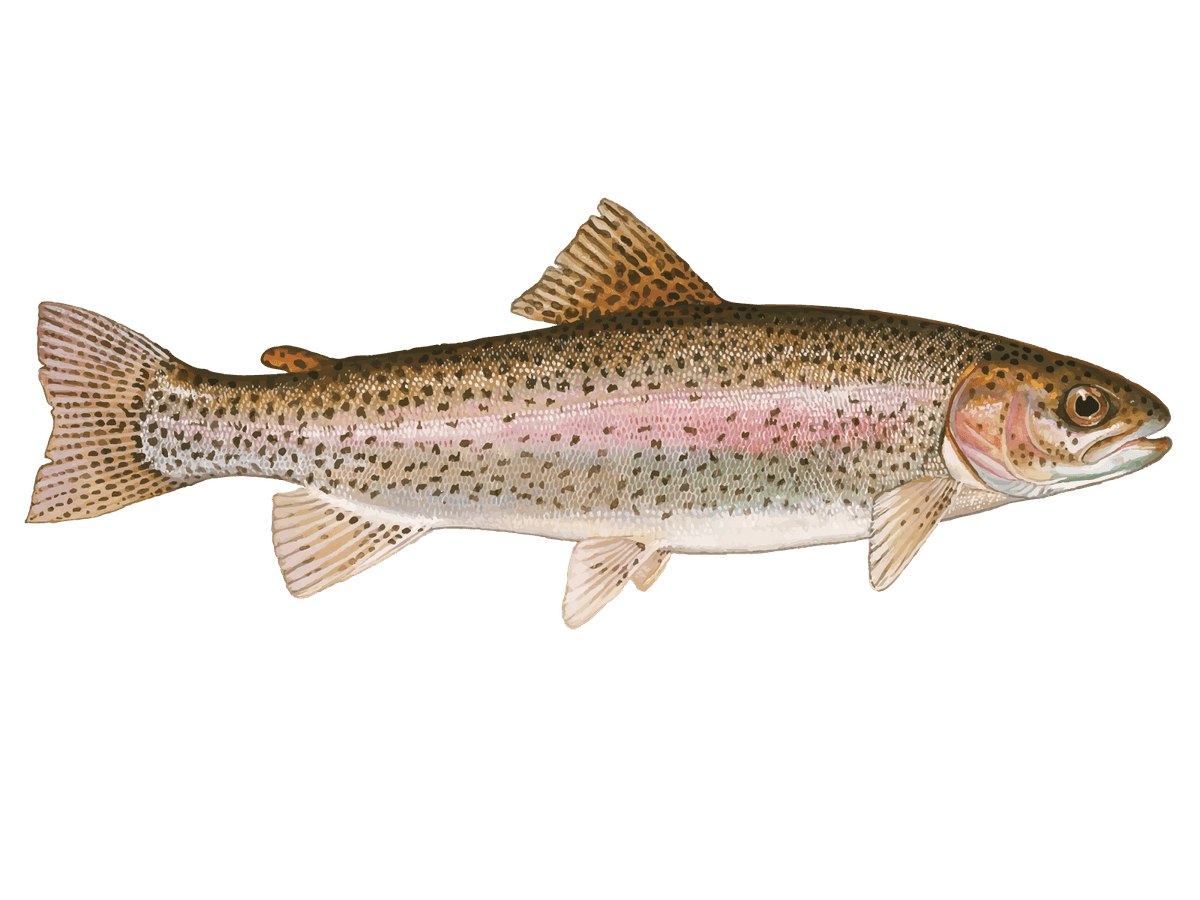
Brown trout are the crown jewels of the Provo River system, and for good reason – these fish are absolutely gorgeous and fight like they mean it. The browns here average 14 to 18 inches, but don't be surprised when a 20-plus-inch fish comes out of nowhere to crush your fly. They're most active during low-light periods, making early morning and evening the prime time to target them with streamers or larger nymphs. Browns are notorious for being selective and spooky, which makes landing one feel like a real achievement. They love undercut banks, deeper pools, and anywhere they can ambush prey while staying hidden. The fall months bring out their spawning colors – brilliant golds and reds that make them some of the most beautiful freshwater fish you'll ever see.
Rainbow trout bring the acrobatics to your Provo River experience, and these fish know how to put on a show once hooked. They're generally more willing to chase flies than their brown trout cousins, making them perfect for anglers still developing their technique. Rainbows here run from 12 to 16 inches on average, with their classic silver sides and pink stripe making them easy to identify in the clear water. They respond well to both dry flies and nymphs throughout the day, and you'll often find them in the faster water where they can pick off drifting insects. Spring and early summer are peak times for rainbow activity when the insect hatches are most consistent. Their jumping ability is legendary – expect multiple aerial displays when you hook into a good one.
Mountain whitefish might not win any beauty contests, but they're an important part of the Provo River ecosystem and can provide steady action when trout are being finicky. These native fish are bottom feeders that respond well to small nymphs and can actually be quite challenging to hook consistently due to their soft mouths. They're most active during colder months when trout activity slows down, making them a reliable backup option. While they don't fight as hard as trout, they're perfectly edible if you're looking to take a meal home, and landing them requires good technique and timing. Mountain whitefish also serve as an indicator species – healthy populations mean the river ecosystem is functioning well, which benefits all the fish species in the system.
Time to Book Your Spot
Customer Reviews
Trevor Gets Fish

Justin Woods
July 1, 2025
Trevor Nails Big Browns
Trevor was awesome, entirely on point the whole day. He put us right on the fish including a couple 22 in. Browns. Would highly recommend him for anyone wanting to fish the Provo River. Will definitely book again!
John Poon
July 12, 2025
Trevor Beats Tough Day
Trevor was great and worked hard to get us on some fish. Tough day on the river due to incredible pressure and we still were able to catch some fish.
Allan Braun
July 13, 2025
Learn more about the species
Brown Trout
Browns are the smart, wary fish that'll test your skills on the Provo. These golden-bronze beauties with black spots typically run 12-18 inches here, though we see plenty pushing 20+ inches in the deeper pools. They love structure - undercut banks, fallen logs, and boulder pockets where they can ambush prey. Fall through early spring offers the best action when they're feeding aggressively before and after spawning. What makes browns special is their wariness - they'll humble you one cast and surprise you the next. They fight hard with powerful runs and head shakes. Here's a local tip: on bright days, focus on the shadowy water under overhanging willows where big browns often hold. They're excellent table fare with firm, flaky meat.
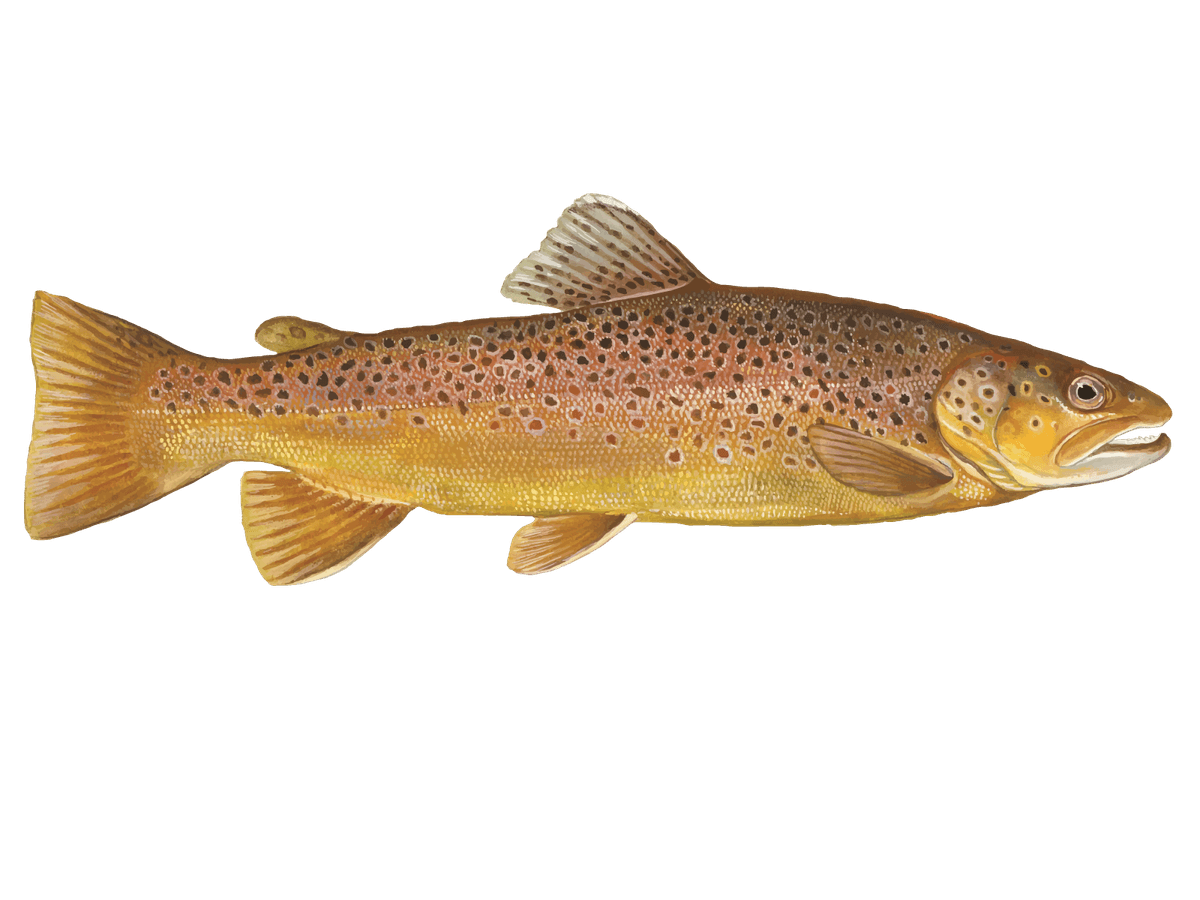
Mountain Whitefish
Mountain whitefish are the Provo's underrated natives that many anglers overlook while chasing trout. These silvery-bronze fish with small mouths typically range 10-14 inches and live in the same cold, clear water as trout. You'll find them in deeper pools and slower runs, especially during winter when they're most active. They're bottom feeders with a preference for aquatic insects and can be surprisingly aggressive biters. What guests enjoy is their willingness to bite when trout get finicky - they're reliable action on tough days. Winter months are peak season when they school up for spawning. Here's my go-to technique: dead-drift small nymphs like midges or caddis larvae with split shot to get down deep. Use size 14-16 flies and be ready for subtle takes. They're actually quite tasty when smoked.
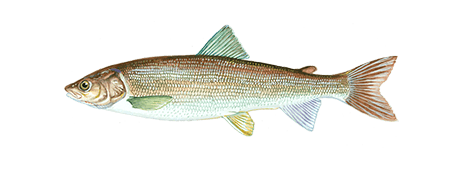
Rainbow Trout
Rainbows are the acrobats of the Provo River, known for their brilliant pink stripe and aerial displays when hooked. Most fish run 10-16 inches, though we regularly land 18-20 inch specimens in the productive runs. They prefer faster water - riffles, runs, and current seams where they can pick off drifting insects. Spring through fall provides consistent fishing, but late evening and early morning are prime time when bugs are active. Guests love rainbows because they fight clean and jump often, making every hookup exciting. They're willing biters compared to browns, perfect for building confidence. Pro tip: during caddis hatches, try swinging a soft hackle through the tailouts of pools. The take can be subtle, so watch your line closely. Fresh rainbows have sweet, mild flavor.

Trevor was amazing! We were on fish with dry and nymph rigs! Was a great experience!